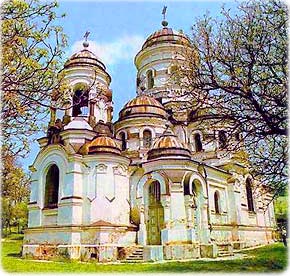
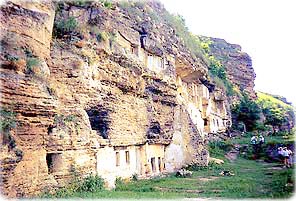
Moldova é um país no sudeste da Europa, parte da região histórica da Moldávia. É uma das nações mais pobres da Europa. São 3,4 milhões de habitantes (2018). Chisinau é a capital e a maior cidade.
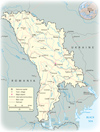 A Moldávia atual compreende uma grande parte da metade oriental do
principado histórico de Moldávia. O território da Moldávia foi dividido em 1812,
quando o Império Otomano assumiu o controle de todas as terras a oeste do rio Prut e a
Rússia assumiu o controle do resto. O governo
russo deu o nome de Bessarábia para o território sob seu controle, para a
distingui-lo do território vizinho controlado pelos otomanos.
Em 1918, a Bessarábia tornou-se independente e, em seguida, uniu-se à Romênia.
Tropas soviéticas ocuparam a Bessarábia em 1940. Quando a União Soviética entrou em colapso
em 1991, a República tornou-se o país independente de Moldova. O restante do
principado histórico da Moldávia é agora parte da Romênia
e da Ucrânia.
A Moldávia atual compreende uma grande parte da metade oriental do
principado histórico de Moldávia. O território da Moldávia foi dividido em 1812,
quando o Império Otomano assumiu o controle de todas as terras a oeste do rio Prut e a
Rússia assumiu o controle do resto. O governo
russo deu o nome de Bessarábia para o território sob seu controle, para a
distingui-lo do território vizinho controlado pelos otomanos.
Em 1918, a Bessarábia tornou-se independente e, em seguida, uniu-se à Romênia.
Tropas soviéticas ocuparam a Bessarábia em 1940. Quando a União Soviética entrou em colapso
em 1991, a República tornou-se o país independente de Moldova. O restante do
principado histórico da Moldávia é agora parte da Romênia
e da Ucrânia.
Nota: A língua oficial no País é o romeno, uma língua românica. O País ocupa um território que é, historicamente, chamado de Moldávia, na língua portuguesa. Mas, ao entrar na ONU, o País recomendou, aos demais membros, adotar o nome Moldova.
Mais: Mapa de Moldova ►